Sizdah Bedar (13 Bedar): The Persian Day of Nature, Renewal, and Joy
Updated: Apr 26
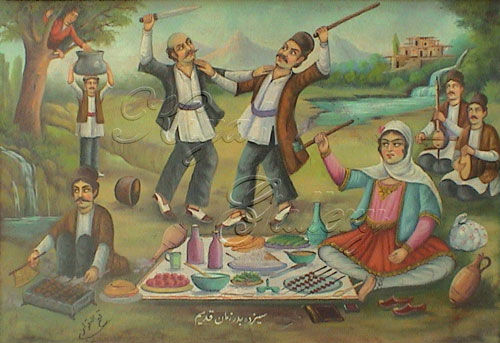
Sizdah Bedar, observed on the thirteenth day of the Persian month of Farvardin, marks the closing celebration of Nowruz, the Persian New Year. On this day, families and friends leave their homes to spend time outdoors, embracing nature as a symbol of renewal, balance, and continuity. The tradition reflects a deep cultural connection to the natural world, rooted in ancient Iranian thought, where harmony between human life and nature was considered essential for spiritual and social well-being.
One of the most recognizable customs of Sizdah Bedar is the practice of discarding the sabzeh, the sprouted greens grown for the Haft-Seen table, into flowing water. This act symbolizes the release of negativity and the completion of the New Year cycle. Beyond its rituals, Sizdah Bedar represents a collective pause, a moment to reconnect with nature, strengthen social bonds, and begin the year with clarity and optimism. The celebration continues to unite communities across generations, preserving a tradition that emphasizes joy, simplicity, and respect for the environment.
Content Table
Historical Background of Sizdah Bedar
Sizdah Bedar, celebrated on the thirteenth day of the Persian month of Farvardin, is one of the oldest traditions connected to Nowruz, the Persian New Year. Its origins can be traced back to ancient Iranian views about time, nature, and the beginning of the yearly cycle. In early Persian culture, the arrival of spring was not only a seasonal change but also a symbol of renewal, growth, and balance in the world.
The first twelve days of Nowruz were traditionally associated with the twelve months of the year. During this period, families celebrated the new year through gatherings, rituals, and symbolic practices meant to bring good fortune and harmony. The thirteenth day marked the end of this festive cycle and the transition into ordinary life. Rather than being considered unlucky, the number thirteen represented movement from symbolic celebration into the reality of the new year.
Ancient Iranians valued a close relationship with nature, which was influenced by religious and philosophical ideas present in early Iranian traditions, especially those reflected in Zoroastrian thought. Nature was seen as a sign of order and wisdom, and the arrival of spring demonstrated the renewal of life after the stillness of winter. Spending time outdoors on the thirteenth day of Nowruz can therefore be understood as a cultural expression of respect for the natural world and its cycles.
One of the most important symbols associated with Nowruz is the sabzeh, the green sprouts grown as part of the Haft-Seen table. The sabzeh represents rebirth and the continuation of life. On Sizdah Bedar, people traditionally take the sabzeh outdoors and release it into flowing water. This act symbolically returns the plant to nature and represents letting go of negativity from the past year.
Historical evidence shows that outdoor spring gatherings were common in agricultural societies across the Iranian plateau. Communities depended on seasonal changes for farming and survival, making the arrival of spring an important moment of collective hope. Over time, these seasonal practices became part of the cultural structure of Nowruz, and Sizdah Bedar became the closing day of the celebrations.
Although many aspects of life have changed over centuries, the tradition of Sizdah Bedar has continued. Today, families and friends still spend the day in parks, gardens, or natural landscapes. The practice reflects a long-standing cultural idea: that the beginning of a new year should be connected with nature, renewal, and shared social experience.
The Meaning of the Number Thirteen in Persian Culture
In many parts of the world, the number thirteen is often associated with bad luck or negative events. However, in traditional Persian culture, there is little historical evidence that the number thirteen was originally considered unlucky. The idea of thirteen as an unfortunate number appears to have developed later, possibly influenced by intercultural contact and modern popular beliefs rather than ancient Iranian traditions.
Within the context of Nowruz, the number thirteen carries a symbolic meaning connected to transition and completion. The first twelve days of the Persian New Year were traditionally understood to represent the twelve months of the year. Each day symbolically reflected hopes for the coming months, shaping the beginning of the annual cycle. The thirteenth day, therefore, marked the end of this symbolic period and the start of ordinary time. Rather than representing misfortune, it represented movement from ritual celebration into everyday life.
In ancient Iranian thought, numbers were often interpreted through their relationship to order and balance. Cultural practices focused more on harmony with natural cycles than on superstition. Because Nowruz itself is closely linked to the spring equinox (a moment when day and night are balanced) the continuation of celebrations into the thirteenth day can be seen as part of this broader idea of cosmic order.
Some scholars suggest that the belief in thirteen as an unlucky number became more common in later centuries through contact with other cultures where this idea was already widespread. Over time, popular interpretation blended with tradition, leading some people to associate Sizdah Bedar with “avoiding bad luck” by leaving the home. However, historical interpretations indicate that the original purpose of the day was to encourage people to spend time in nature, not to escape misfortune.
By going outdoors on the thirteenth day of Nowruz, people symbolically reconnect with the natural world and mark the completion of the New Year celebrations. The number thirteen in Persian culture, therefore, can be understood not as a sign of negativity, but as a point of transition, a gentle reminder that each ending creates space for a new beginning.
Main Traditions of Sizdah Bedar
Sizdah Bedar is best known for its simple yet meaningful traditions that bring people together outdoors. These customs reflect the central themes of Nowruz: renewal, harmony with nature, and social connection. Although the way people celebrate may vary across regions, the main practices remain widely shared and continue to be an important part of Persian cultural identity.
Picnicking in Nature
One of the most recognizable traditions of Sizdah Bedar is spending the day outdoors with family and friends. People usually gather in parks, gardens, mountains, or near rivers early in the morning and remain there until the evening. The outdoor setting creates a relaxed environment where individuals can enjoy fresh air, open space, and the arrival of spring.
Food plays an important role in this gathering. Many families prepare traditional dishes such as sabzi polo (herb rice), kookoo sabzi (herb omelette), ash reshteh (herb and noodle soup), bread, cheese, and fresh herbs. Sharing food outdoors strengthens social bonds and emphasizes the communal aspect of the celebration.
Releasing the Sabzeh into Water
Another central tradition is returning the sabzeh, the green sprouts grown for the Haft-Seen table, back to nature. On Sizdah Bedar, families take the sabzeh and place it in running water such as a river or stream. This act symbolizes letting go of negativity and completing the cycle of renewal that began with Nowruz.
The sabzeh represents growth and new life. By returning it to nature, people express the idea that life continues in cycles, and that renewal requires both beginning and release.
Knotting the Grass (Gereh Zadan)
A well-known custom, especially among young people, involves tying blades of grass into knots while making a wish. This practice is often associated with hopes for happiness, love, or future success. The act of knotting the grass symbolically represents the desire to connect one’s future with positive outcomes.
Although commonly linked with wishes for marriage in popular culture, the tradition more broadly reflects optimism and hope for the coming year.
Games, Music, and Social Activities
Sizdah Bedar is also a day of recreation. Families and friends often play traditional games, listen to music, walk in nature, or simply relax together. Children usually engage in outdoor activities, while older generations enjoy conversation and shared meals.
These activities highlight the social dimension of the celebration. Sizdah Bedar encourages interaction, cooperation, and collective enjoyment, reinforcing relationships between family members and communities.
A Tradition of Continuity
Despite changes in lifestyle over time, the main traditions of Sizdah Bedar remain consistent. The focus on nature, togetherness, and symbolic renewal continues to connect modern celebrations with their historical roots. The simplicity of these customs allows each generation to reinterpret the tradition while preserving its original meaning.
Cultural and Symbolic Importance
Sizdah Bedar holds an important place within Persian cultural tradition because it reflects a long-standing worldview in which human life is closely connected to nature. The celebration is not only a social event but also a symbolic expression of renewal, balance, and continuity. By spending the thirteenth day of Nowruz outdoors, individuals participate in a tradition that emphasizes harmony between people and the natural environment.
In the broader context of Nowruz, Sizdah Bedar represents the completion of the New Year cycle. The first days of the year are marked by preparation, symbolic rituals, and family gatherings. The thirteenth day brings this period to a close by encouraging movement beyond the domestic space into open natural settings. This transition can be understood as a reminder that renewal is not only symbolic but also practical, it must be experienced in everyday life.
Nature plays a central role in the meaning of Sizdah Bedar. In Iranian cultural history, natural elements such as water, plants, and fresh air have often been associated with purity, growth, and stability. Gathering in green spaces reflects an appreciation for these elements and acknowledges their importance for both physical and spiritual well-being. The act of releasing the sabzeh into flowing water further reinforces the idea that life follows continuous cycles of growth, transformation, and return.
Sizdah Bedar also emphasizes social connection. Families, friends, and communities come together in a shared environment where social differences become less visible and collective participation becomes more important. The simplicity of the celebration allows people from different backgrounds to take part in the same tradition, strengthening a sense of cultural continuity across generations.
In the modern world, where daily life is often shaped by technology and indoor routines, Sizdah Bedar continues to serve as a reminder of the importance of balance. The tradition encourages individuals to pause, reconnect with nature, and reflect on the beginning of a new year. Its symbolic meaning remains relevant because it expresses values that extend beyond a specific historical period: renewal, unity, and respect for the natural world.
Sizdah Bedar in the Modern World
In the modern world, Sizdah Bedar continues to be widely celebrated by Iranians both inside Iran and across the global diaspora. Although lifestyles have changed due to urbanization, technology, and evolving social structures, the core idea of the tradition remains the same: spending time outdoors at the beginning of the new year as a symbol of renewal, balance, and social connection.
Today, many families celebrate Sizdah Bedar in public parks, natural reserves, countryside areas, or even beaches, depending on their location. Large cities often see parks filled with people enjoying picnics, music, and outdoor activities from morning until evening. Despite the fast pace of modern life, the day provides an opportunity to pause daily routines and reconnect with both nature and community.
Modern celebrations also reflect contemporary values. Environmental awareness has become increasingly important, leading many people to emphasize keeping natural spaces clean and protecting the environment while celebrating. In this sense, Sizdah Bedar has gained additional relevance, as its traditional connection to nature aligns with present-day concerns about sustainability and ecological responsibility.
For Iranians living outside their homeland, Sizdah Bedar also plays an important cultural role. Celebrating the day abroad allows communities to maintain a connection with their heritage and pass traditions to younger generations. Parks in different parts of the world become gathering places where cultural identity is preserved through shared customs, food, and language.
Social media has also influenced the modern expression of Sizdah Bedar. People often share photos, videos, and messages related to the celebration, allowing the tradition to reach wider audiences and remain visible across digital spaces. While the form of participation may evolve, the underlying meaning remains consistent.
Sizdah Bedar in the modern world demonstrates how traditions can adapt without losing their essence. The celebration continues to represent a moment of renewal at the start of the year, encouraging individuals to spend time outdoors, strengthen social relationships, and maintain a connection with cultural heritage.
Conclusion
Sizdah Bedar is more than just a day for picnics and outdoor fun, it is a tradition that connects people with nature, family, and community. Rooted in ancient Persian culture, the thirteenth day of Nowruz symbolizes renewal, balance, and the continuation of life’s cycles. By stepping outside, releasing the sabzeh, and sharing time with loved ones, people honor both the natural world and their cultural heritage. Even in modern times, Sizdah Bedar remains a meaningful reminder that endings lead to new beginnings, and that the start of a new year is best celebrated in harmony with nature and togetherness.
The Museum of Time Team
2 April 2026


Comments