The Benin Kingdom: a West African Empire
Updated: Apr 5
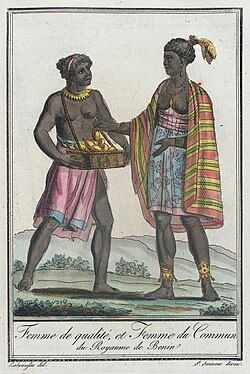
The Benin Kingdom stands as one of the most sophisticated and influential civilizations in African history. Situated in present-day southern Nigeria, this powerful West African state flourished for over a millennium, developing complex political institutions, an extraordinary artistic tradition, and a deeply rooted cultural identity that continues to shape the lives of the Edo people today. Renowned worldwide for its masterfully cast bronze sculptures and highly organized system of governance, the Benin Kingdom offers compelling evidence of Africa’s long-standing traditions of innovation, diplomacy, and statecraft.
Far from the outdated portrayals that once reduced pre-colonial African societies to the margins of history, Benin reveals a civilization defined by order, creativity, ceremonial power, and resilience. Its royal court, guild system, and international connections reflect a society that was not only artistically advanced but also politically strategic and globally aware.
This blog explores the history of the Benin Kingdom from its early foundations and political structure to its artistic achievements and enduring legacy. By examining Benin’s past and its relevance in the present, we uncover why the kingdom remains a lasting symbol of African excellence, cultural continuity, and historical pride.
content table:
Geographic of the Benin Kingdom
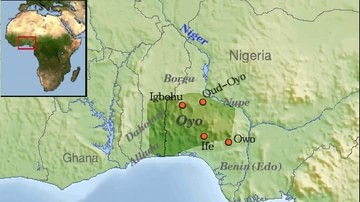
The Benin Kingdom was located in what is today southern Nigeria, primarily within the forested region of the Niger Delta and its surrounding lowlands. This geographical setting played a decisive role in shaping Benin’s political power, economy, and cultural development. Dense tropical rainforests, fertile soil, and an intricate network of rivers defined the landscape and influenced how the kingdom functioned and thrived.
Benin’s environment supported strong agricultural production. Crops such as yams, palm produce, and vegetables flourished in the rich soil, sustaining the population and providing surplus for trade. The abundance of palm trees, in particular, later became economically significant in regional and international commerce. Rivers and waterways connected Benin to neighboring regions and the Atlantic coast, allowing for controlled trade routes while still offering natural protection from large-scale invasions.
The thick forests surrounding Benin City served as a defensive advantage. Unlike open plains, the forest terrain limited enemy movement and made the kingdom difficult to penetrate militarily. This natural barrier contributed to Benin’s long period of political stability and independence prior to European colonization. At the same time, carefully cleared roads and planned routes within the forest allowed the state to maintain internal communication and administration.
Benin City itself was strategically positioned and famously well planned. European visitors described wide streets, organized quarters, and extensive earthworks, including walls and moats that stretched for miles, one of the largest man-made earth structures in the world at the time. These features reflected a deep understanding of geography, urban planning, and environmental adaptation.
In every sense, the land and the kingdom were in conversation.
Origins of the Benin Kingdom
The origins of the Benin Kingdom are deeply rooted in oral traditions, myth, and early historical developments among the Edo people of southern Nigeria. Long before Benin rose as a powerful centralized state, the region was home to small farming communities governed by elders and local leaders. These early societies laid the foundation for what would eventually become one of West Africa’s most enduring kingdoms.
According to Edo oral history, Benin’s early rulers were known as the Ogiso, meaning “Kings of the Sky.”
The Ogiso dynasty is believed to have governed the region for several centuries, establishing early political structures, religious practices, and social order. Although much of this period remains shrouded in legend, it reflects the kingdom’s ancient roots and the importance of divine legitimacy in leadership.
A major transformation occurred around the 12th–13th centuries, when the Ogiso system collapsed due to internal conflict. In response, Benin’s leaders sought a new form of authority. Tradition holds that envoys were sent to the Yoruba city of Ife, a major spiritual and political center, to seek guidance. From this connection emerged the Oba system, marking the beginning of a new royal dynasty. Oranmiyan, a prince of Ife, played a key role in this transition, and his son, Eweka I, became the first Oba of Benin.
This shift marked the birth of the Benin Kingdom as a centralized monarchy. Power became more structured, kingship was formalized, and the foundations were laid for administrative councils, court rituals, and state-controlled art production. Over time, successive Obas expanded Benin’s influence, strengthened its institutions, and transformed it into a sophisticated political and cultural power.
The origins of Benin are therefore not a single moment, but a gradual evolution, shaped by tradition, adaptation, and the pursuit of unity.
Continue Your Journey
author: The Museum of Time
5 April 2026, Lastest update


Comments